
How to Care for a Leather Wallet So It Actually Lasts
A wallet gets harder daily wear than almost any other leather good on this site — carried against the body, sat on, opened and closed dozens…

For the Gentleman of Today
Old Fashionable is a small, deliberately old-fashioned corner of the internet — for anyone who’s ever picked up a pocket watch, a proper pair of braces, or a well-made leather satchel and thought: they don’t really make them like this anymore. Some people still do. That’s the whole reason this site exists.
We write about where classic menswear actually came from — why the wristwatch replaced the pocket watch, why men stopped wearing braces and started wearing belts, what a Homburg is actually meant to look like — alongside honest buying guides for the kind of accessories built to be worn for decades, not replaced every season. Nothing here is costume. It’s the simple belief that a handful of genuinely well-made things, chosen properly, tends to outlast a wardrobe full of things that weren’t.

None of this is new. Every accessory this site covers — the watch, the pen, the leather bag, the hat, the cufflinks and braces — was once just how a well turned-out man dressed on an ordinary day, not a deliberate style statement. We think that’s worth remembering, and worth writing about properly: not vague nostalgia, but real history, real makers, and real products you can actually still buy.

Some of the biggest names in this history didn’t set out to start anything. The Duke of Windsor wore a thicker tie knot because his ties happened to be cut from heavier silk, and half of menswear spent the next fifty years calling it the “Windsor knot” and copying a technique he never actually used. He made a Fair Isle jumper the most sought-after golfing garment in America practically overnight. He didn’t do any of it on purpose. He just dressed the way he liked, consistently, and the world noticed. That’s a theme that comes up again and again on this site — genuine personal taste tends to outlast anything designed purely to be trendy.
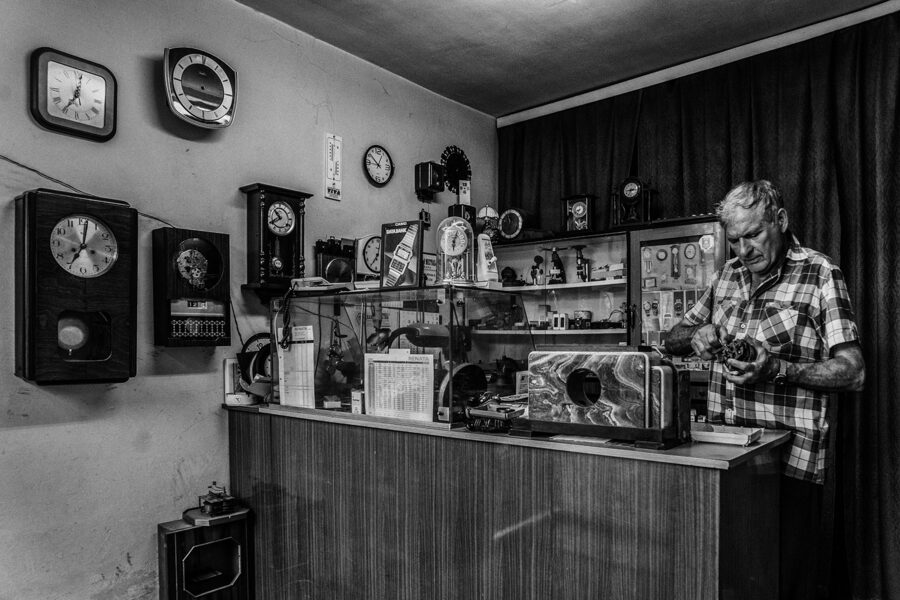
The other reason we keep coming back to craftsmanship is simpler: someone still has to actually make these things, by hand, the slow way. A mechanical watch movement, a hand-stitched brogue, a properly cut felt hat — none of it is automated in any meaningful sense, and the people who still do this work are usually the ones we end up recommending. When a buying guide on this site points you toward a specific product, it’s because a real maker, somewhere, is still doing the job properly — not because a brand paid for the placement.
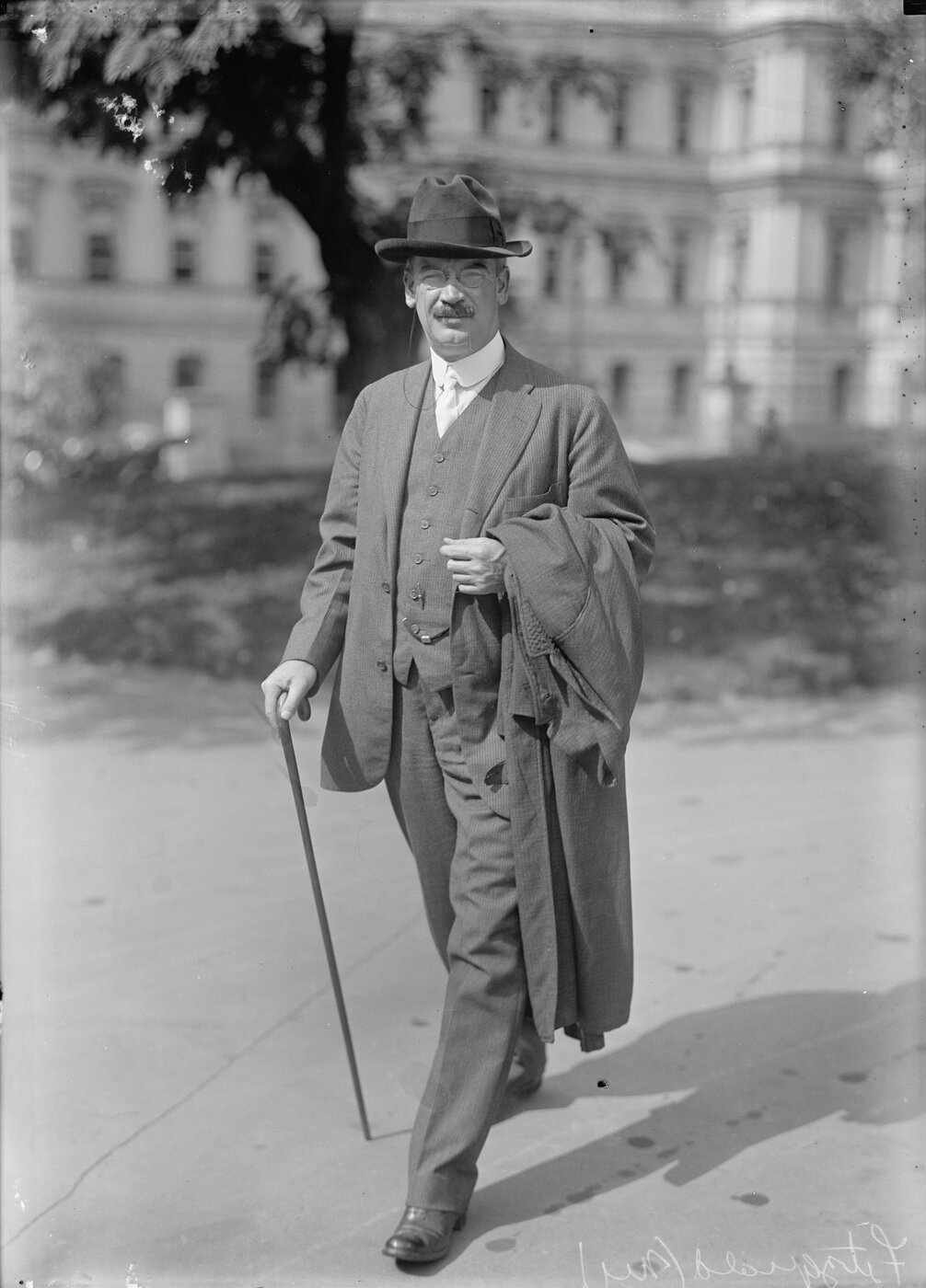
That’s also why this site covers several accessory categories rather than just one. A hundred years ago nobody thought of a hat, a watch chain, and a walking cane as separate “categories” — they were just what got put on in the morning, together, without much thought. We’ve organised the site by category (Watches, Fountain Pens, Leather Goods, Hats, Cufflinks & Braces, with more planned) purely to make it easier to browse, not because these things were ever meant to be considered in isolation.
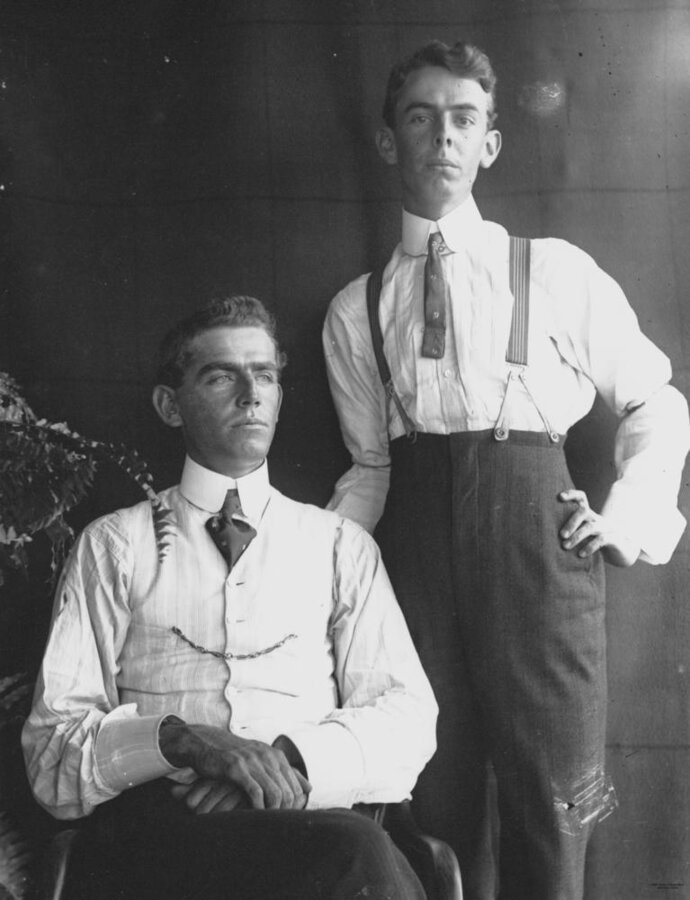
A lot of what we write about is genuinely unglamorous when you look closely, and we think that’s the appeal rather than a drawback. Braces held trousers up before belt loops were standard. A pocket watch told the time before wristwatches existed. A good leather satchel carried a lawyer’s or a doctor’s papers because it needed to survive being carried every single day for years. These things earned their place through use, not through marketing — and the ones still worth buying today tend to be the ones built the same way.
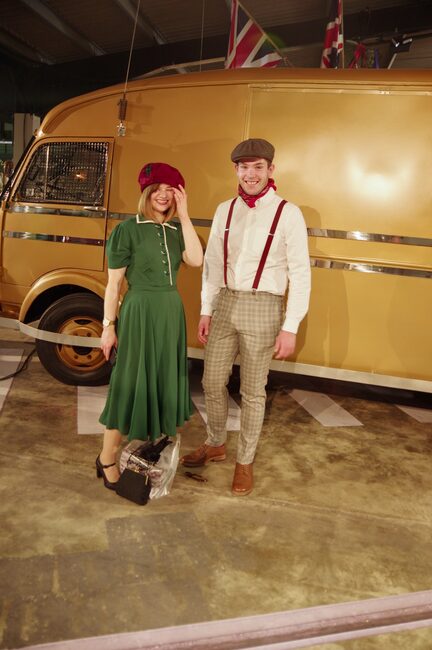
People haven’t actually stopped dressing this way, either. Events like the Goodwood Revival exist because plenty of people still own this clothing, still wear it properly, and still enjoy every part of putting it on — not as a costume for one day a year, but as an extension of a taste they already have the rest of the time. We’d rather write for that reader than for someone looking for a themed outfit.

That’s really the range we’re aiming for: real history, real people, real products, and enough honesty to say when something doesn’t quite fit the story we set out to tell. Below, you’ll find the collection so far — buying guides, care advice, history pieces, and a few “Shop the Look” features built around genuine period photographs. It’s growing steadily, one properly researched post at a time.
The Collection So Far
A wallet gets harder daily wear than almost any other leather good on this site — carried against the body, sat on, opened and closed dozens…

Most men own exactly one pocket square fold, learned once and repeated forever, usually because nobody ever explained that the fabric in your hand actually determines…

Most fountain pen owners buy a bottle of ink by colour alone, which works fine right up until they buy the wrong kind of ink entirely…